
How Long Renovations Really Take (and Why Quotes Differ)
Understand typical timelines, causes of delay, and why two quotes can vary greatly.
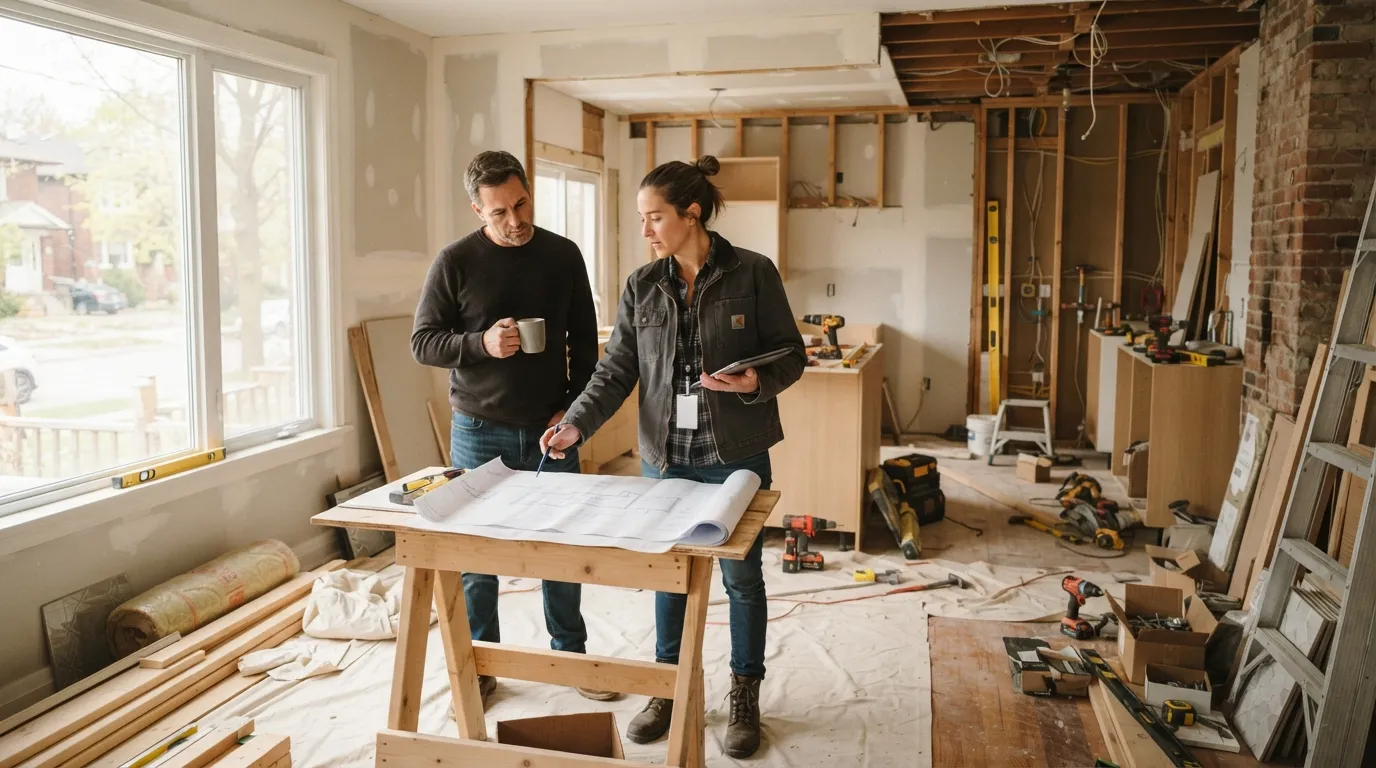
How long will my renovation take?
A straightforward, short answer: most moderate home renovations in Oakville take from a few weeks to several months—simple updates like painting and flooring can be 1–4 weeks; kitchen or bathroom remodels commonly take 6–12 weeks; large additions or structural work often run 3–6+ months depending on permits and site conditions.
Scope and complexity
The single biggest driver of schedule is what you’re changing. Cosmetic jobs (paint, trim, new flooring) require fewer trades, less coordination, and therefore shorter windows. Structural or systems work (moving load-bearing walls, re-routing plumbing, upgrading HVAC) adds engineering, inspections, and often more time.
Permits, inspections and local rules
In Oakville and Halton Region the permit process and inspection scheduling can add weeks. Simple permits may be turned around quickly; larger projects need drawings and review cycles. Always verify timelines with the Town of Oakville building department and budget extra time for corrections.
Trades coordination and material lead times
Renovations are a sequence of trades: demo, rough mechanicals, electrical, plumbing, drywall, finishes. If any trade is late — or materials (cabinets, windows, specialty tiles) are backordered — the whole schedule slides. Seasonal demand and shipping delays can extend lead times, especially for custom items.
Step-by-Step: How Long Renovations Really Take (and Why Quotes Differ)
Below is the typical flow for a home renovation and what affects timing at each stage. Follow these steps to anticipate where time will be spent and who controls it.
- 1
1. Plan and define scope
Decide what’s in and out of scope and get basic drawings or sketches. The clearer the scope, the quicker you’ll get realistic quotes and avoid later change orders that add time. Add contingency (10–20% time buffer) for unknowns in older homes.
- 2
2. Design, engineering and permits
Hire an architect or designer if the project alters structure or building systems; an engineer may be required for load-bearing changes. Submit permit applications to Oakville’s building department; expect review cycles and possible revision requests. Permit approval is often the gating item before work can start.
- 3
3. Pre-construction ordering and scheduling
Once permits are approved, order long-lead items (windows, cabinets, appliances) and set a start date with your general contractor. Contractors coordinate trades; busy seasons (spring–summer) fill calendars sooner. Confirm delivery windows and plan temporary accommodations if the job impacts your living space.
- 4
4. Demolition and rough-in
Demolition clears the way for plumbing, electrical and framing work. Rough-in stages are inspected — delays in booking inspections or failed inspections require rework and add days to weeks. Efficient projects keep trades working back-to-back without downtime.
- 5
5. Inspections and corrections
Municipal inspections in Oakville, like framing or plumbing, must be booked and passed before finishes go in. If an inspector requires corrections, the contractor must address them and rebook, which can pause the finish schedule. Good documentation and clear communication reduce back-and-forth.
- 6
6. Finishes and final walkthrough
Finishing includes drywall, paint, flooring, trim, and fixtures; coordination is crucial because trades often need the same spaces in sequence. The final walkthrough identifies punch list items; completing those and final inspections leads to project closeout. Expect punch lists to take days to a few weeks depending on scope.
Mistakes to Avoid
Some scheduling delays are unavoidable, but many are preventable. Knowing common pitfalls helps you reduce risk, keep the project on track, and avoid surprise costs or extended timelines.
Rushing the design and scope
Starting work before the design is finalized invites scope creep and costly change orders. Take the time to lock decisions on layouts, materials, and finishes so contractors can provide accurate timelines and you avoid mid-project choices that stall progress.
Ignoring permit requirements
Skipping permits to save time is risky: the municipality may issue stop-work orders, require expensive corrections, or deny occupancy. For Oakville projects, check with the building department early — permit delays are often avoidable by submitting complete drawings and engineering upfront.
Picking the lowest bid without vetting
A cheap quote can hide missed items, lower-quality materials, or unrealistic timelines. Ask for references, see completed work, confirm insurance and WSIB compliance, and get a written schedule with milestone dates. A vetted contractor is more likely to meet their timeline.
Underestimating material lead times
Special-order windows, custom cabinetry, or imported tile can have long lead times. Confirm manufacturing and delivery estimates before signing contracts and build buffer time into the schedule to accommodate potential shipping or factory delays.
What Affects Your Outcome
These are the most common factors that change how long a renovation will take.
Project size and complexity
Bigger scope means more trades and longer sequences. Structural changes, new foundations, or multi-room reconfigurations can add months compared with a single-room refresh.
Permit and inspection timelines
Local building office workloads and required reviews affect start dates. In Oakville, schedule inspections early and allow time for any required revisions to plans.
Material and appliance lead times
Custom or specialty items can ship in weeks to months. Standard items usually arrive quicker — verify delivery windows before committing to a start date.
Season and weather
Ontario winters can slow exterior work, concrete pours and site access; spring thaw can affect foundation work. Indoor projects are less weather-dependent but still affected by supply chains during busy seasons.
Contractor availability and crew size
Highly rated contractors may be booked weeks or months out; smaller crews may extend schedules. A balance of reputation, availability and crew capacity determines how quickly work proceeds.
Quality of existing documentation
Homes built decades ago might lack accurate as-built drawings; hidden conditions (rot, asbestos, knob-and-tube wiring) take time to uncover and remediate. Thorough pre-demo inspections reduce surprises.
Frequently Asked Questions
Why do two contractors give very different time estimates?
Contractors price schedules based on assumptions about scope, crew size, subcontractor availability, and risk. One may build in generous buffers and account for permit wait times, while another bids a tight timeline assuming quick approvals and no surprises. Ask each for a written schedule and what contingencies they include.
How much extra time should I budget for permits in Oakville?
Permit timelines vary by project complexity and current workload at the Town of Oakville. For small projects allow a few weeks; for larger or structural permits plan for multiple weeks to a couple of months and include time for revisions. Always verify with the local building department because rules and turnaround change.
Can weather really delay an interior renovation?
Yes, indirectly. Exterior delays can block access to parts of the house, and cold or humidity can affect certain finishes and adhesives. Supply chain disruptions tied to seasonal demand can also impact deliveries, so schedules often factor in seasonal risks.
What causes the biggest surprise delays in older Oakville homes?
Hidden conditions are the usual culprit: old plumbing or electrical, undocumented structural elements, or hazardous materials like asbestos. Pre-demo inspections help, but set expectations that discoveries may require design changes, additional permits, or remediation, which extend the timeline.
Should I sign a fixed-completion date contract?
Fixed dates can help set expectations but may include hefty penalty terms or exclusions for permits and product delays. If you use a fixed date, ensure the contract lists which factors are contractor-controlled versus owner- or municipality-controlled, and agree on remedies for legitimate delays.
How can I help keep my renovation on schedule?
Be decisive on selections, approve change orders quickly, and confirm delivery windows for ordered items. Keep lines of communication open with your contractor, provide access when needed, and plan for temporary living arrangements if the project disrupts daily life.
Free on-site timeline review and permit checklist
Schedule a no-cost inspection in Oakville to get a realistic timeline and a permit/inspection checklist tailored to your project.
Get a Free Quote