
What Really Drives Renovation Costs in the GTA
A practical guide to what moves prices in Oakville, Mississauga, Brampton, and nearby—so you plan with clarity and confidence.
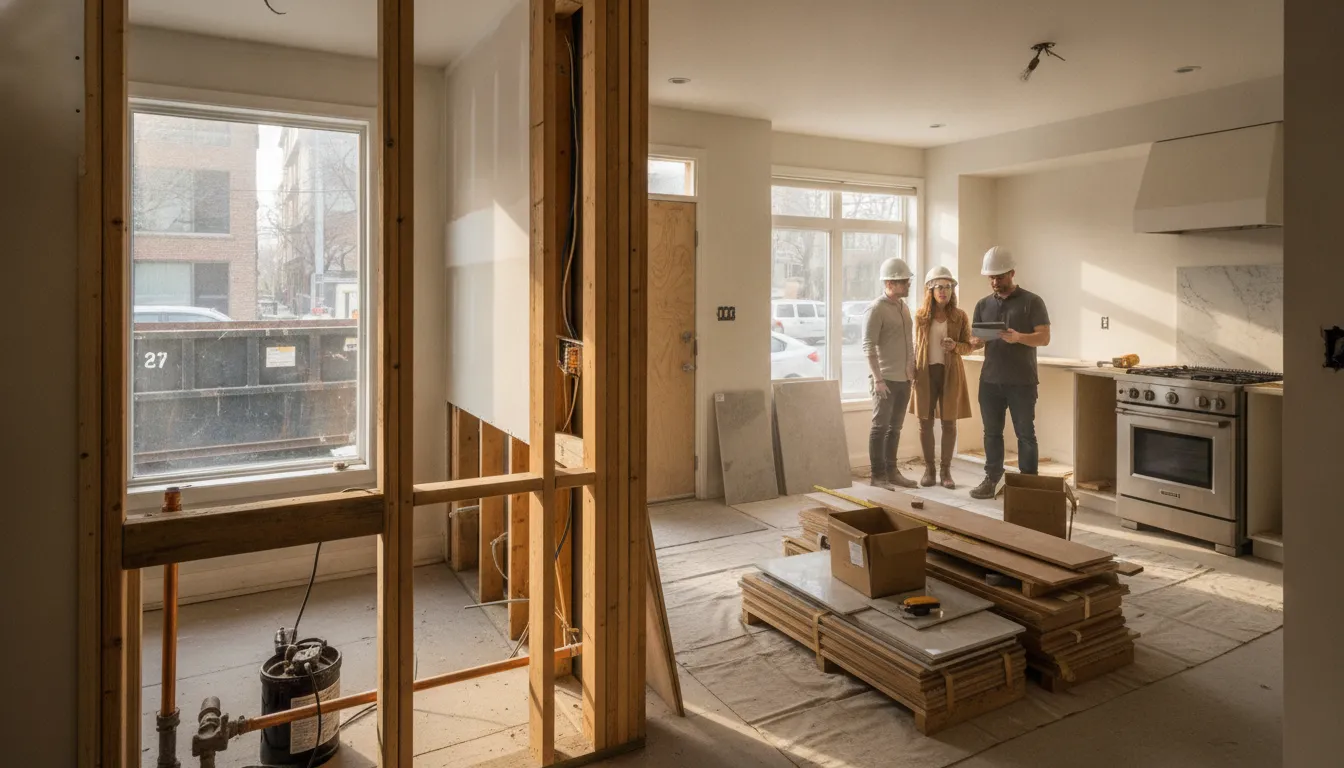
What drives the price tag on a GTA renovation, really?
In the GTA, renovation costs are driven by the project’s scope, material choices, local permitting, and seasonal demand. This guide breaks down how those forces interact—from urban Oakville’s permit timelines to the region’s climate and contractor availability—so you can plan with realistic expectations while verifying details locally.
Project scope and design complexity
The more rooms, structural changes, or new systems you add, the more dollars flow into framing, electrical, plumbing, and HVAC. Simple cosmetic work stays far cheaper, but once you touch load-bearing walls, add bathrooms, or reconfigure kitchens, expect a step-up in labor and material quality requirements.
Materials and finishes
Material costs swing with quality, availability, and brand choices. Luxury finishes, specialty cabinetry, engineered stone, and premium flooring push up budgets quickly. In the GTA, import duties and freight can affect price, and local suppliers may have shorter or longer lead times based on demand.
Permits, inspections, and code compliance
Ontario and local municipalities require building permits for many renovations. Permit fees, plan review, and mandatory inspections add time and cost. Policies vary by city, so verify with the Oakville Building Department and your insurer how approvals will be documented in your file.
Labor market and seasonal factors
The GTA’s tight labor market, especially in urban pockets of Oakville and neighboring cities, can raise hourly rates or extend timelines. Seasonal busy periods (spring and early summer) may slow crews and inflate costs; off-season planning can improve scheduling and pricing.
Step-by-Step: What Really Drives Renovation Costs in the GTA
These steps follow a practical sequence homeowners often experience when coordinating renovating work in Ontario, with emphasis on verification and planning.
- 1
1) Define scope and budget
Start with a detailed brief: rooms changed, systems touched, desired finishes. Consult with a few local trades to establish a realistic budget range and build a contingency—typically 10–20% for unexpected issues.
- 2
2) Gather design and permit needs
Work with a designer or architect to produce drawings, then check which items require permits in Oakville. Early permit scoping helps avoid last-minute delays and extra fees.
- 3
3) Obtain initial contractor estimates
Share the same scope notes with several licensed contractors. Compare apples to apples: materials lists, labor rates, subtrade inclusion, and warranty terms.
- 4
4) Submit permit-ready plans
Submit plans to the Oakville Building Department (or your local jurisdiction) and address any reviewer comments promptly. Permit review timelines can vary seasonally.
- 5
5) Schedule and coordinate trades
Lock in lead times for framing, electrical, plumbing, and HVAC. Plan for inspections at key milestones and buffer time for unexpected site conditions.
- 6
6) Finalize change orders and documentation
Record all changes, updated drawings, and material substitutions. Keep receipts and ensure insurer-ready documentation in case of claim or warranty needs.
Mistakes to Avoid
Some missteps cost more in the GTA. Being aware of common traps helps you protect value and keep the project on track.
Underestimating permit and inspection needs
Assuming permits are optional can lead to costly redraws or penalties. Always verify permit requirements early, and document approvals for your insurer and contractor.
Skipping a detailed specification
Vague scopes invite substitutions and price creep. Create a line-item specification for finishes, fixtures, and finishes so bids compare accurately.
Over-customizing for resale without necessity
Custom features can price out quickly if they don’t align with the home’s value or local market expectations. Balance desire with durable, broadly appealing choices.
Choosing price over performance
Extremely low bids may hide hidden costs later, such as poor workmanship or future repairs. Favor trades with solid warranties and verifiable references.
What Affects Your Outcome
Several moving parts determine the final cost and timeline in the GTA.
Deadlines and scheduling
City permit timelines, crew availability, and material lead times shape both cost and completion date.
Documentation quality
Complete drawings, accurate measurements, and clear material specs reduce change orders and staff time.
Policy and financing type
Insurance or financing arrangements influence how documentation is filed and when funds are released; verify coverage and documentation needs with your insurer.
Local rules and permit office conventions
Oakville’s processes and local zoning rules affect approvals, inspections, and potential delays; always verify with the local building department.
Contractor selection and market conditions
A reputable contractor with strong project management reduces waste and rework, often offsetting higher upfront rates in a competitive market.
Seasonal demand and supply chain
Material availability and labor demand rise in peak seasons; planning ahead can improve consistency of pricing and scheduling.
Free, no-pressure assessment of your GTA renovation needs
We can help you assess scope, permits, and realistic timelines for Oakville and nearby communities.
Get a Free Quote